
The Leap Hopper
One vehicle, many possibilities
Mobility
We accelerate lunar exploration
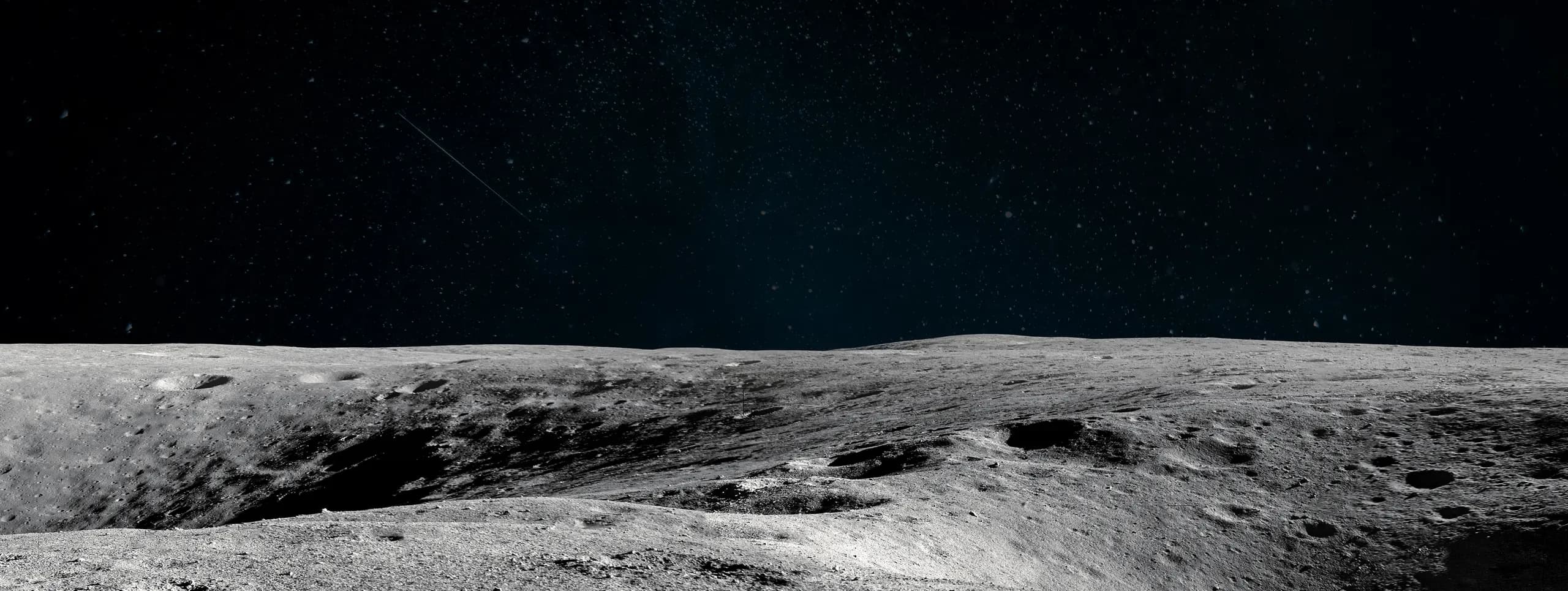
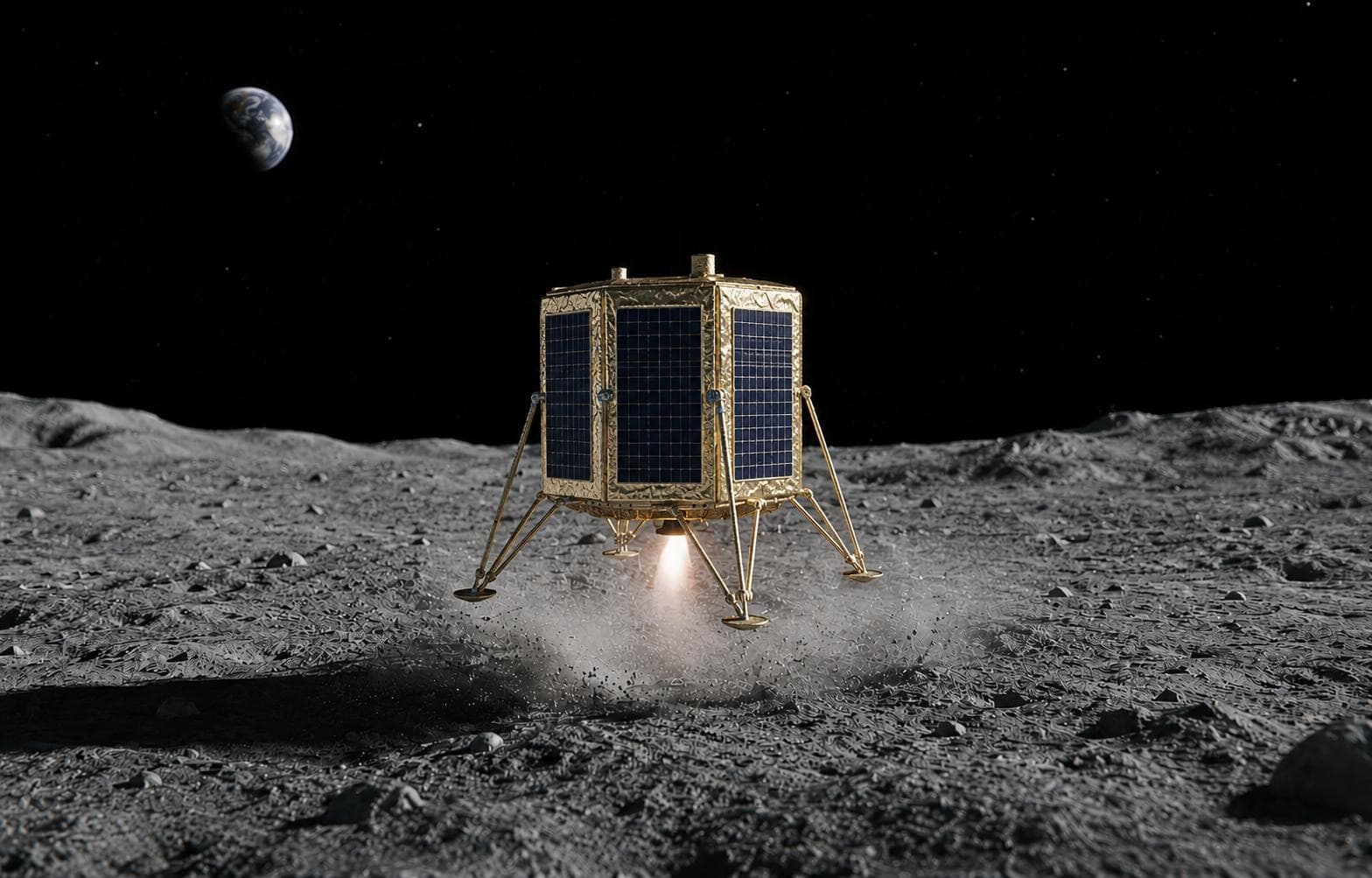
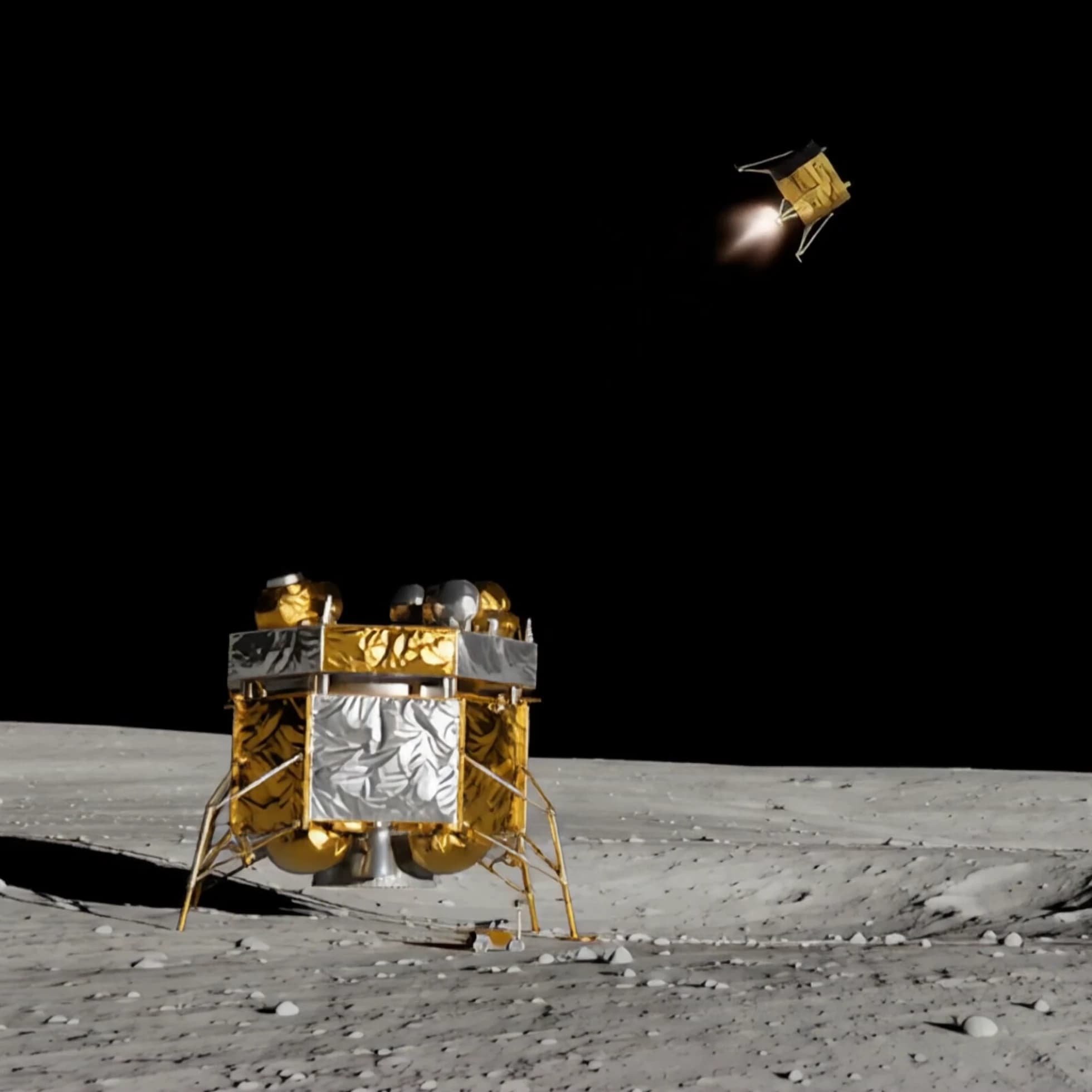
Leap Works develops lunar hoppers, rocket-powered drones that dramatically increase the speed of lunar exploration and the resolution of surface data. Our hoppers will also make yet unreachable terrain routinely accessible.
Payload
Unmatched range and resolution
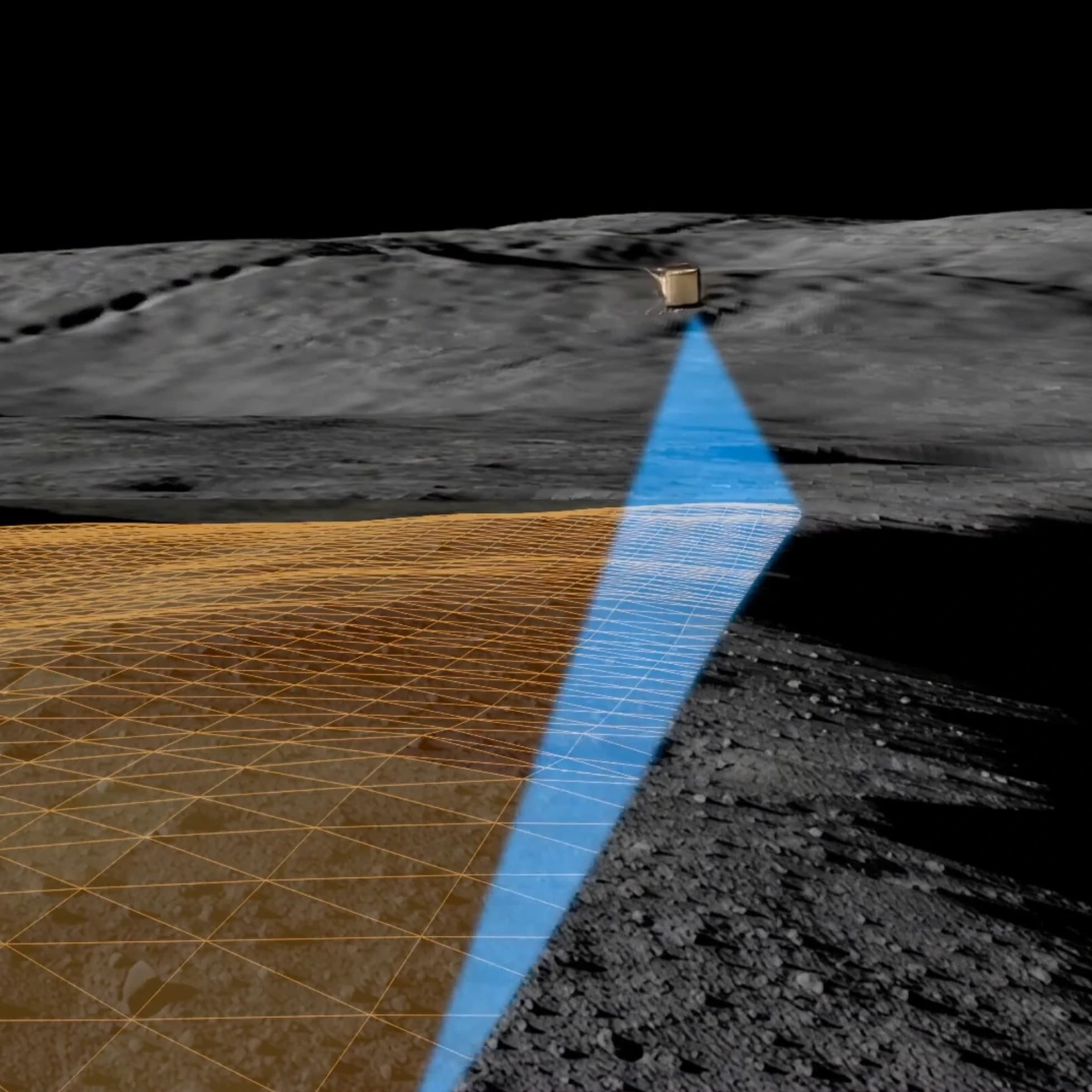
Our first vehicle, the Leap Hopper, can reach a 50 km range in one large hop and can cover an area of 50 km² during that flight. It can scan that area with on-board instruments at a targeted 10 cm resolution, 10x higher than currently available datasets, and 2x higher than any orbital or surface system planned through the early 2030s. We are convinced that this vehicle is the optimal solution to map a large area of interest, like a site for landing or a future lunar base in very high resolution during a single mission.
Autonomy
Deliver science where rovers can't
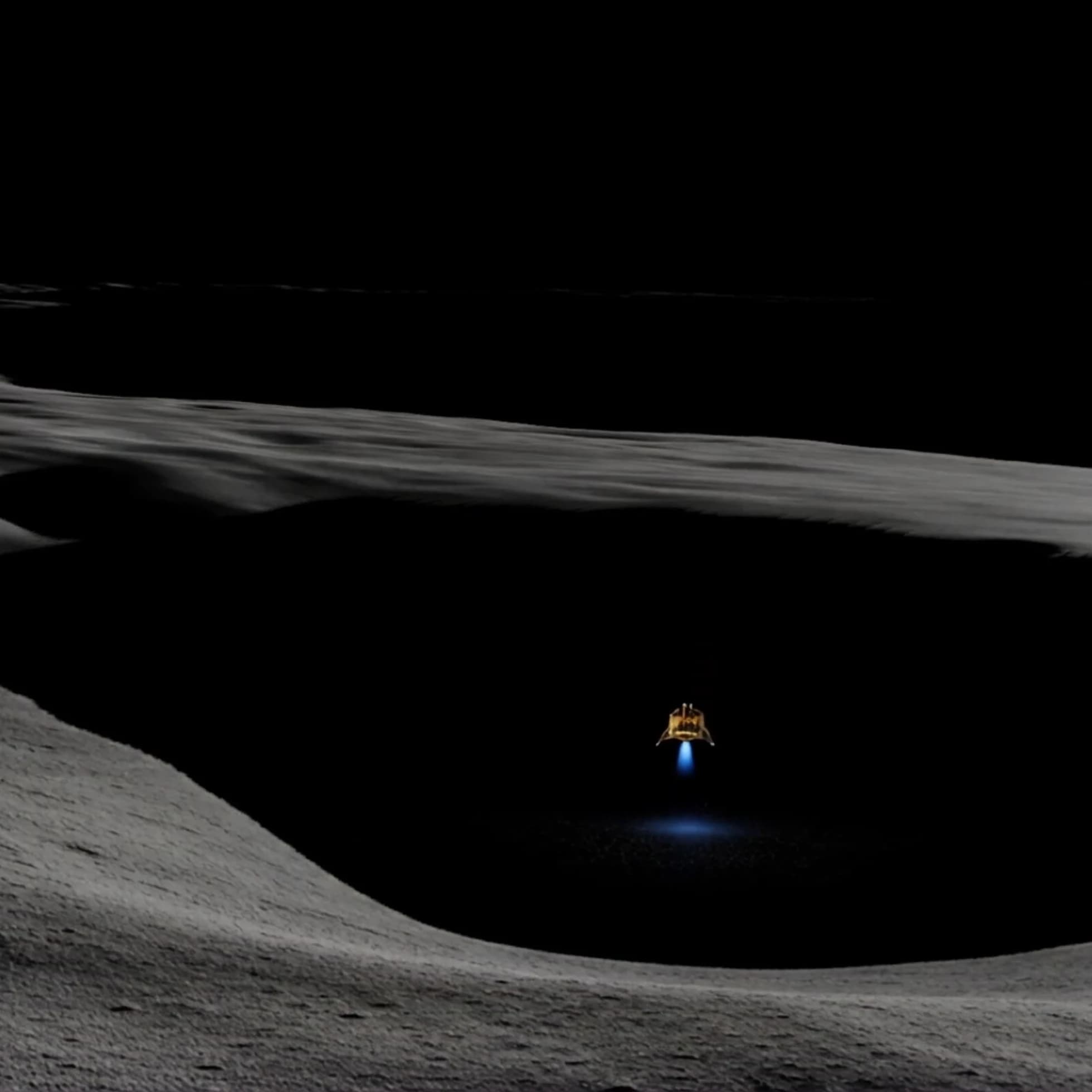
The Leap hopper can land on terrain that was off-limits, until now. In-situ measurements can be done on cliffs, craters, and even in permanently shadowed regions
Autonomy
Fully autonomous operation
Based on a flight plan generated to map an area, and land between hops, the hopper is flying its mission completely autonomously. Due to its speed and agility, the hopper can not be flown with remote manual control.
Roadmap
Our path to the Moon
2026
Founding
Leap Works has been incorporated after a year of development. In the first year of development since August 2025 we have built a GNC demonstrator drone equipped with a coaxial propeller, developed a hybrid rocket engine and developed our business plan.
2027
Rocket powered hopper prototype
We are going to fly our next prototype in 2027, that will validate our concept of a rocket powered hopper vehicle.
2028
Qualification testing
Our flight-representative hopper vehicle will undergo qualification testing by end of 2028.
2029
First lunar mission
Our first flight hopper will perform its lunar mission at the end of 2029, ensuring that we gain flight heritage before the end of this decade.
Contact us